
Every home has a first chapter. A moment where the door opens, light spills in, and you catch a glimpse of how the space wants you to feel. This moment almost always happens in the hall. It is the place that sets the tone before anything else. The place that suggests who lives here, what they love, and what kind of rhythm the home keeps. That is why thoughtful hall interior design has become one of the most influential parts of shaping a home’s identity.
Unlike living rooms or bedrooms, the hall has a certain honesty. It cannot hide behind cushions or elaborate styling. It is a transition space, a threshold, a handshake. But even with its simplicity, or perhaps because of it, the hall has limitless potential. From warm minimal spaces to sculptural, expressive ones, hall interior design has evolved into an art of subtle storytelling.
Let’s explore how designers, homeowners, and even everyday decorators are rethinking the hall, blending beauty and utility to turn this once-overlooked area into a statement.
Why the Hall Matters More Than You Think
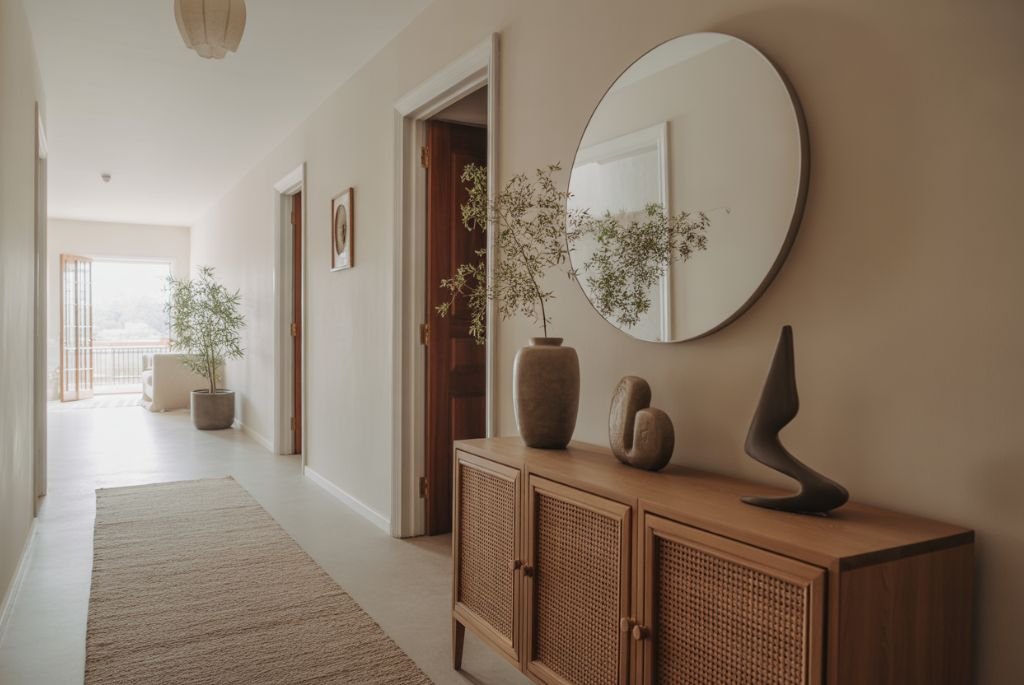
A proverb in the design industry says that the hall is the first thing the house says and the last thing the house says. You start walking in it and leave it at the end of the day. It is the first room guests see. It creates anticipation, feelings, and a sense of comfort. That is why many architects today consider the hall’s interior design a pillar rather than a rearview mirror.
The hall has retained its symbolic meaning in most traditions of world design. It was a spot where offerings were made, and guests were invited into some Southeast Asian houses. It was the connection between the sunny courtyards and the dim interiors of Mediterranean houses. The hall serves as a psychological shield between the outside world and the serene interior, even in the modern urban apartment.
When we refer to the hall’s interior design, we are not merely talking about decor. We are talking about mood, energy, and how a house can teach you to slow down when you enter.
The Hall as a Story: The Way Design Makes Emotion.
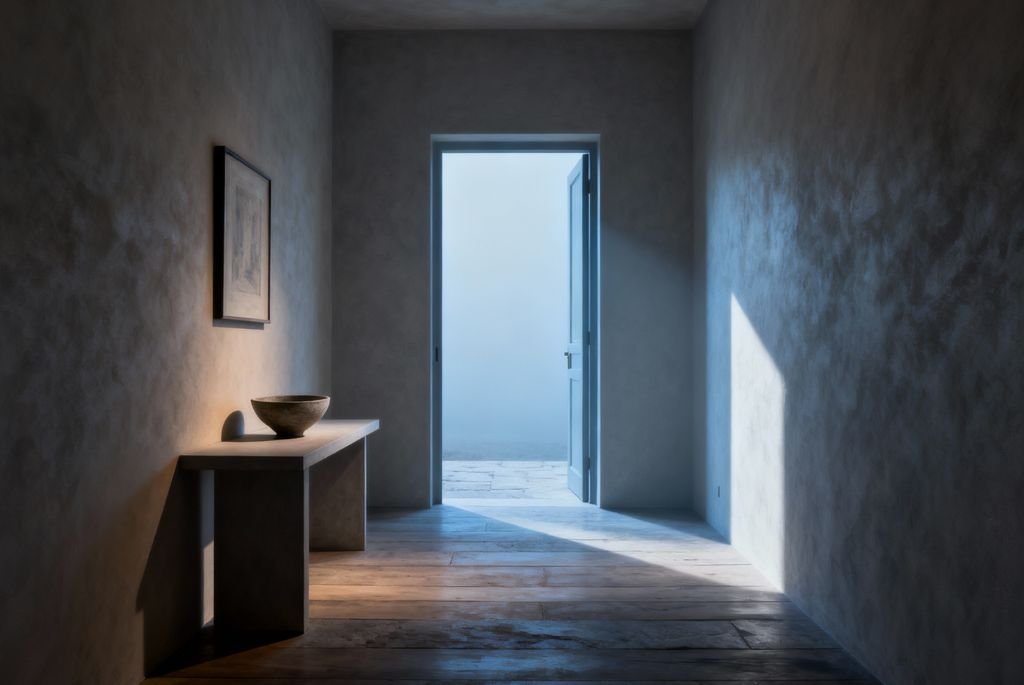
A good hall is not just a pretty thing, but it breeds a sensation. There are those halls where you are greeted by warmth and softness, and there are those that make you feel like you are in a world of clarity and order. Here is a tincture of adventure, there of minimal calm. The art of interior design is to find that emotional anchor.
The designers tend to discuss the arrival moment. How would you like to feel when you arrive home? Quiet luxury? Lightness? Nostalgia? Any personality can be transferred to a hall.
Here, lighting is a key element. A small hall may be comfortable with a warm glow out of a wall sconce. A sculptural element can be made using a pendant lamp. A corridor left to flow freely, even with natural light, becomes an experience.
Textures tell stories, too. Walls of smooth plaster are peaceful. Crude stone floors are grounded. A vintage rug adds depth. A wooden bench invites pause. Such minor choices are the blocks that make an unforgettable hall interior design.
Simple Interior Design of Hall: The Beauty of Doing Less.
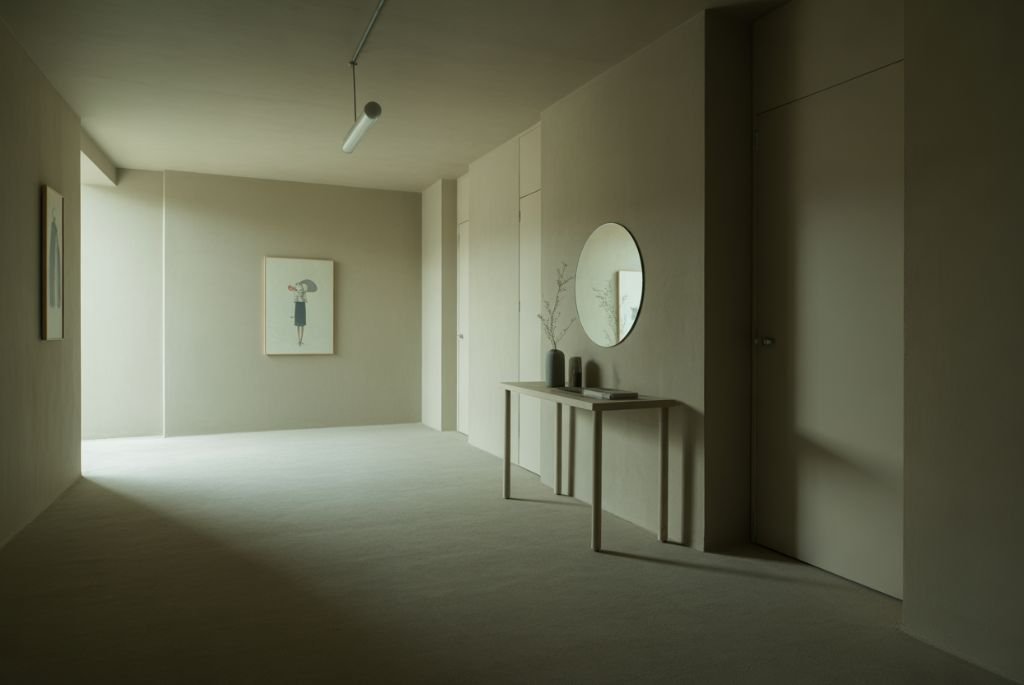
The simple interior design of the hall approach is becoming very popular. Clarity is in demand among homeowners nowadays. A room that is neither cluttered nor stuffy, and not purposeful, is a room for a mental reset. The beauty lies in restraint.
Floors are usually continuous, furniture is very sparse in this style, and the walls are generally neutral. A single piece of artwork may generate visual interest. A small console could offer functionality without excessive space. Sharp corners can be rounded with a round mirror, which also reflects more light. It is not the intention to make the space empty; rather, it is to make the space peaceful. A well-conceived, basic interior design for the hall could create a sanctuary feeling upon entry.
Also read: Bamboo Wall Mirrors: A Stylish Nod to Nature
Modern Hall Interior Design: The Shift Toward Sleek Living
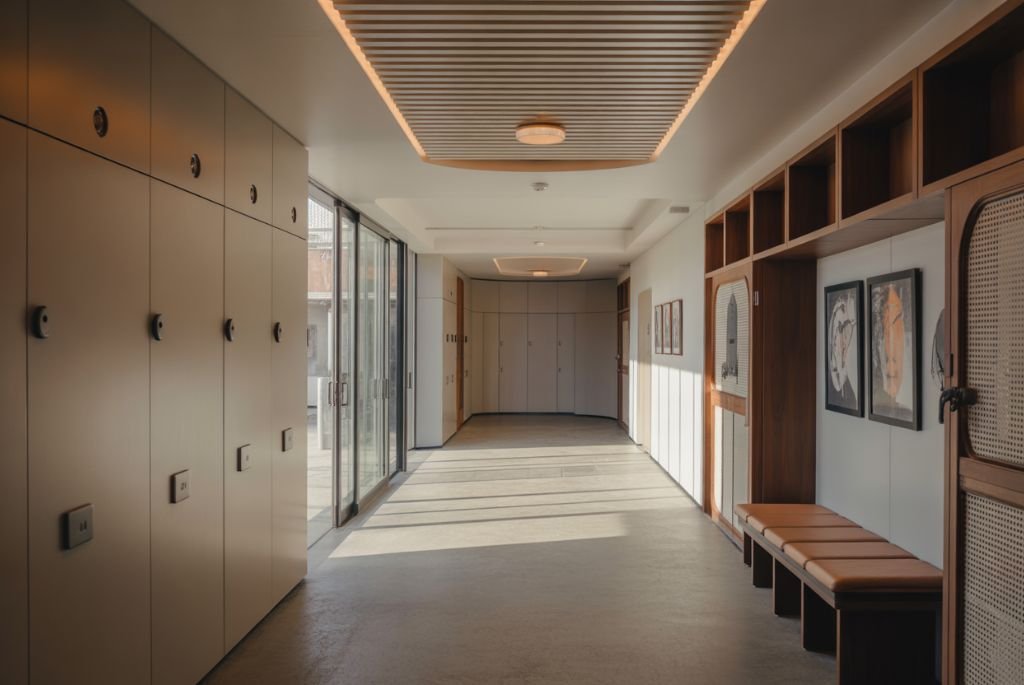
The demand for sleek interiors has introduced a fresh wave of modern hall interior design. Here, clean lines, innovative materials, and smart storage converge to create a contemporary mood.
Modern halls often feature:
- Hidden shoe storage that maintains visual flow
- Built-in lighting to highlight architectural lines
- Floating shelves or consoles
- Muted palettes with bold accents
- Metal, glass, and textured wood combinations
This approach leans into functionality without sacrificing elegance. In many urban homes, the hall doubles as a mini utility zone. Designers respond with clever compartments, recessed hooks, and integrated seating that keeps everything streamlined.
A well-planned modern hall interior design turns even compact entryways into a stylish, efficient welcome zone.
Space, Light, and Flow: The Core Principles
Regardless of style, good hall interior design follows three core principles: space, light, and flow.
- Space: Halls can be narrow, spacious, or asymmetric. The challenge lies in embracing the shape instead of fighting it. Vertical design works beautifully in tight areas. Open surfaces feel uplifting in wider ones. Even small changes, like long runners or carefully placed mirrors, can dramatically shift the perception of space.
- Light: The soul of hall interior design. Whether natural or artificial, it decides how warm or cool the hall feels. Soft lighting invites comfort. Bright lighting creates openness. Layered lighting adds sophistication. The key is balance.
- Flow: The hall connects everything. It is a pathway, so the flow must be seamless. Furniture should not interrupt movement. Decor should guide the eye. The hall should allow people to move naturally through the home.
Material Stories: Wood, Stone, Color, and Craft
Materials tell the deepest story in hall interior design. Wood feels familiar. Stone offers grounding. Metal adds modernity. Ceramic accents bring artisanal charm. Even fabric, such as runners or wall hangings, adds warmth.
Color theory influences mood, too. Earthy hues create calm. White feels open. Deep shades add drama. Pastels make halls feel fresh. A single colored wall can even become the signature of the entire home.
Craftsmanship is a rising trend. Handwoven baskets, handmade pottery, traditional carvings, or artisan lights bring authenticity into the space. They transform the hall into a place that reflects not just style, but personality.
Furniture and Decor: Choosing Wisely
Furniture should never overpower the hall. It should feel like it belongs. The perfect piece is functional, beautiful, and scaled to the space.
Common choices include:
- Slim wooden benches
- Console tables
- Tall planters
- Floating cabinets
- Accent chairs
- Curved mirrors
- Pendant lights
Patterns should also be used carefully. A rug with subtle geometry can extend the length of a hall. A striped runner can elongate the view. A sculptural vase can add character without noise.
The trick is to make each item count. The hall is often the smallest central space in the home. Too many objects dilute its presence. In thoughtful hall interior design, every piece has a purpose.
The Hall as a Living Gallery
Among the most enjoyable trends in hall interior design is the emergence of hallway galleries. Homeowners are no longer hanging their walls bare; they are developing collections of photographs, art, or travel souvenirs.
The gallery wall transforms the transitional space into an expressive space. It tells the guests stories and reminds homeowners of theirs. Some like symmetry and adopt the same frames. The others combine sizes and textures. Each of them works, provided that the wall is coherent and intimate.
Rotating shelves provide floating shelves that create a moving gallery that varies with the seasons. The sculptural niches add depth and 3D aspects. Lighting can be used to emphasize major works. Having the appropriate ratio, the hall is an edited piece of the home story.
Hall Design Nature Indoors: Plants.
Plants have become a necessity in the hall’s interior design. They introduce life into small places and soften thick lines of architecture. A single green plant is sufficient to change the air.
Large palms are a suitable surrounding for doorways. Snake plants are used in narrow areas. The hanging plants give a playful appearance. In dim halls, pampas grass or dried stems provide a feeling that is not dependent on the sunlight.
The plants produce an atmosphere of serenity. It reminds us that we are not outside of nature, but part of it.
The Hall of Real Life Design.
The interior design of the good hall should aid in routine activities. This implies considering the things people really need: keys, wallets, umbrellas, shoes, and shopping bags. These objects might not be too special, but a clever hall is looking forward to them.
The door has wall hooks, which make storage easy. The console has a tray for essentials. Pull out the shoe drawers to keep the floor from getting cluttered. Bulkier items are concealed behind closed cabinets. These minor details bring the hall up to the level of ornamental usefulness.
Final Thought
The hall prologues the home. It provides the story and the tone and gives an idea of what the remaining part of the space may have in store. Careful interior design of the hall turns this neglected space into a space of deliberation and beauty. The hall is spacious enough to create minimalist calm or expressive detail, as desired.
The choice of a simple solution to modern trends, natural materials, and styled decor creates a sense of atmosphere in the house the moment you enter. It is why the hall is one of the most significant, intimate, and rewarding spaces to design.