
Walk into a home that feels right and the reaction is almost physical. You relax before you realise why. The light lands gently. Furniture seems to belong where it is. Nothing competes for attention. Over the last decade, interior design has moved away from rule-heavy formulas and closer to lived reality. That shift explains why conversations around types of home decor styles keep resurfacing. They offer a way to talk about taste without turning homes into checklists.
Homes are not galleries. They are places where mornings start slowly, evenings stretch longer than planned, and furniture earns its place through use. Look closely and you will notice that design choices tend to mirror habits. A reading chair angled toward a window. A dining table scarred slightly from years of meals. When viewed through a journalistic lens, interiors tell quiet stories about how people live, not just how they want spaces to look.
Modern: When Rooms Learn to Breathe
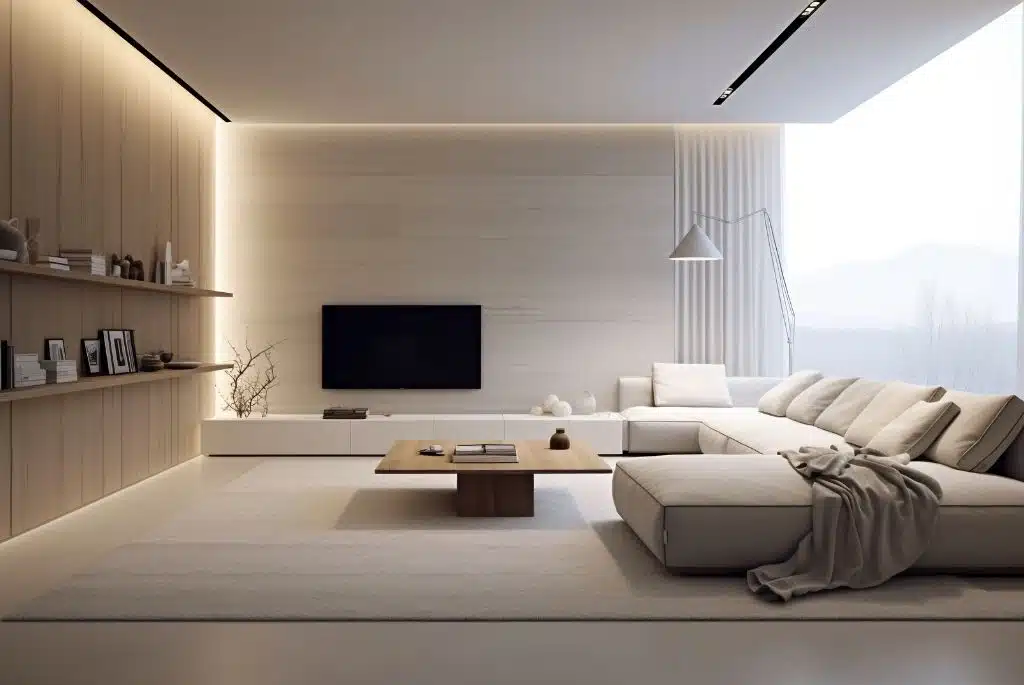
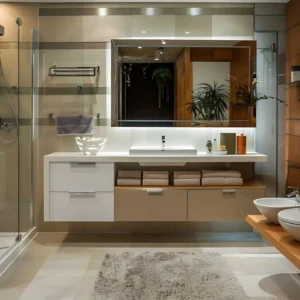
Modern interiors are often described as minimal, but that misses the point. Among the many types of home decor styles, modern design is really about giving space room to work. Furniture stays grounded and low. Layouts are open, but not careless. Nothing crowds the edges.
What gives modern homes their appeal is restraint. Walls stay neutral so light can move freely. Materials carry the visual weight instead. Wood softens hard lines. Stone adds texture without decoration. Often, one strong piece does more work than ten smaller ones. This approach suits homes where calm matters more than display.
Contemporary: Designed to Change With You
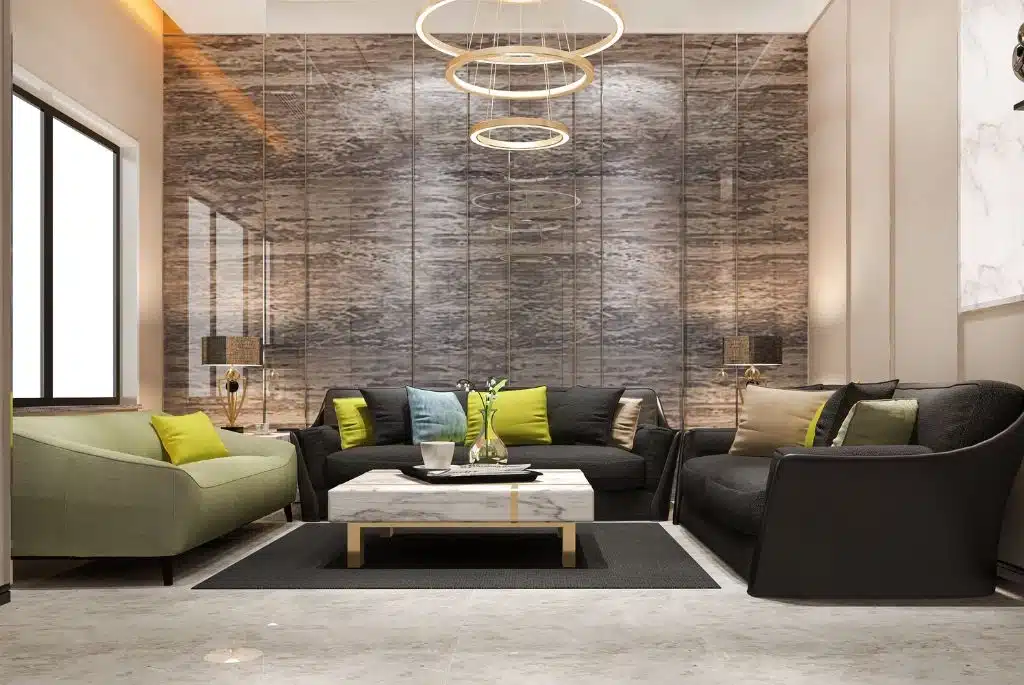
Contemporary design is always on the move. It is one of the few types of home decor styles that accepts change as part of its identity. What feels current now will not feel the same in five years, and that is the point.
Clean lines remain a constant, but shapes shift. Curves appear where sharp edges once dominated. Neutrals hold the space together while texture brings warmth. Contemporary interiors tend to evolve quietly. A new chair replaces an old one, lighting shifts. Nothing feels frozen in time.
Minimalist: Choosing Carefully, Living Lightly
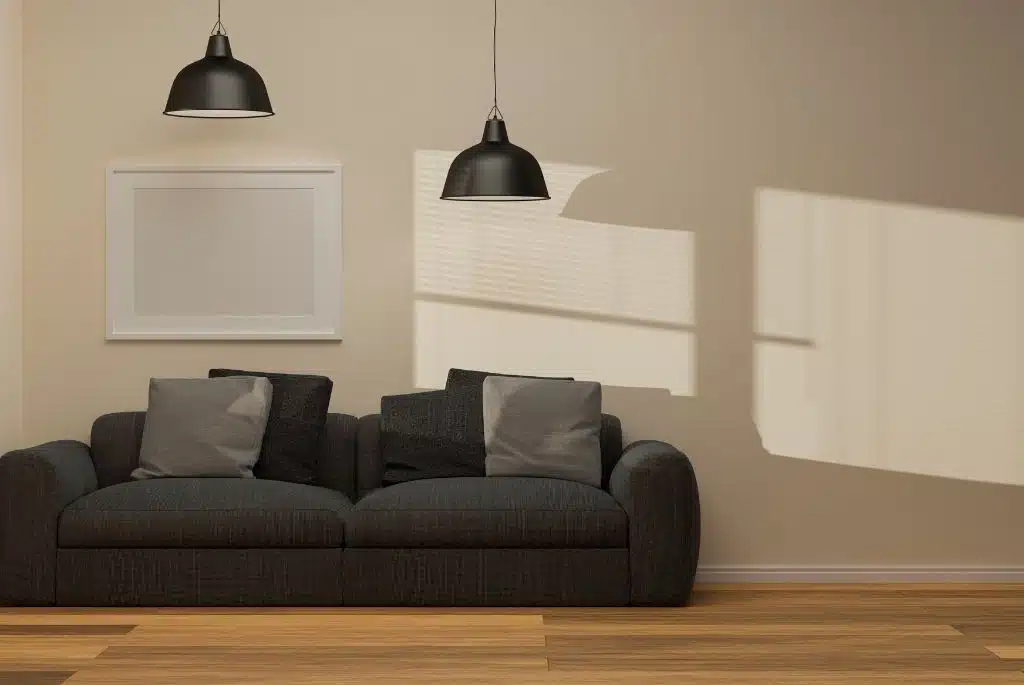
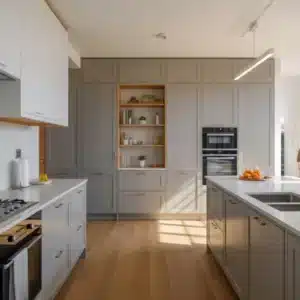
Minimalist homes are often misunderstood. They are not about emptiness. They are about editing. Within the wider conversation around types of home decor styles, minimalism asks a simple question: does this belong here?
Storage is hidden. Surfaces stay clear. Objects earn their place through use. When done well, minimalist interiors feel calm rather than severe. Natural materials help soften the discipline. Light plays a bigger role. These homes often feel restorative, especially in busy cities.
Scandinavian: Comfort That Shows Up Every Day
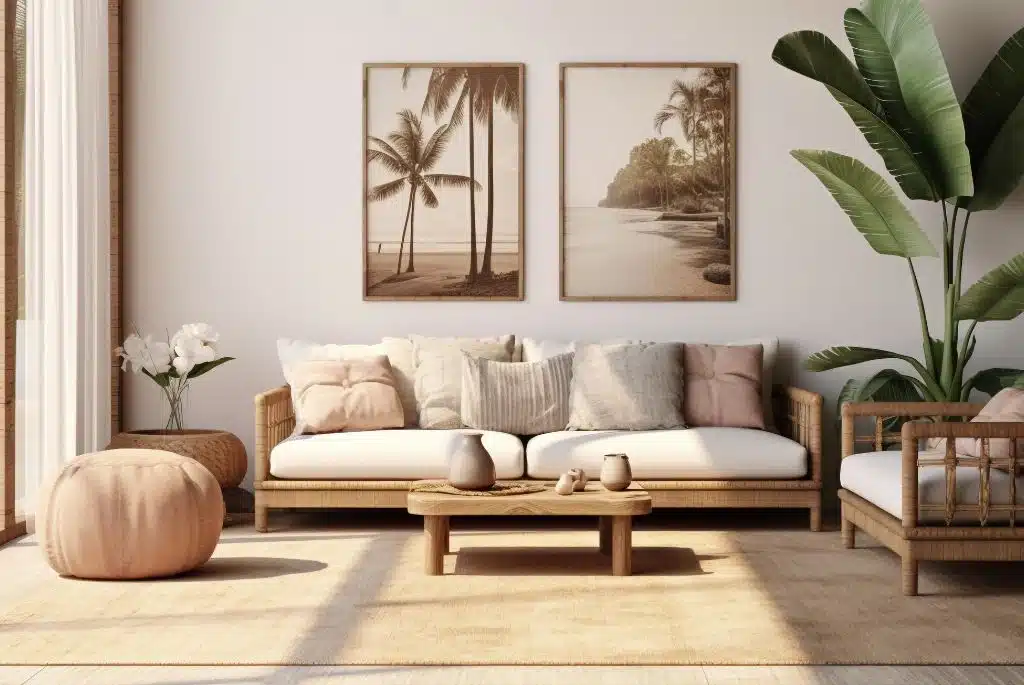
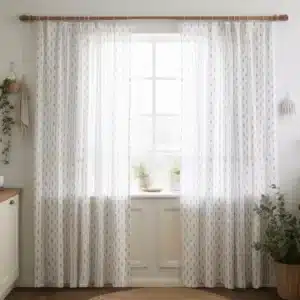
Scandinavian interiors have always prioritised daily life. Pale woods, light walls, and soft textiles help brighten rooms where daylight can be scarce. Among types of home decor styles, this one feels especially grounded in routine.
Furniture is practical and inviting. Rugs and throws are used, not arranged. Plants appear casually. Scandinavian homes rarely feel styled. They feel occupied. That honesty explains why the style continues to resonate.
Industrial: Letting the Building Speak
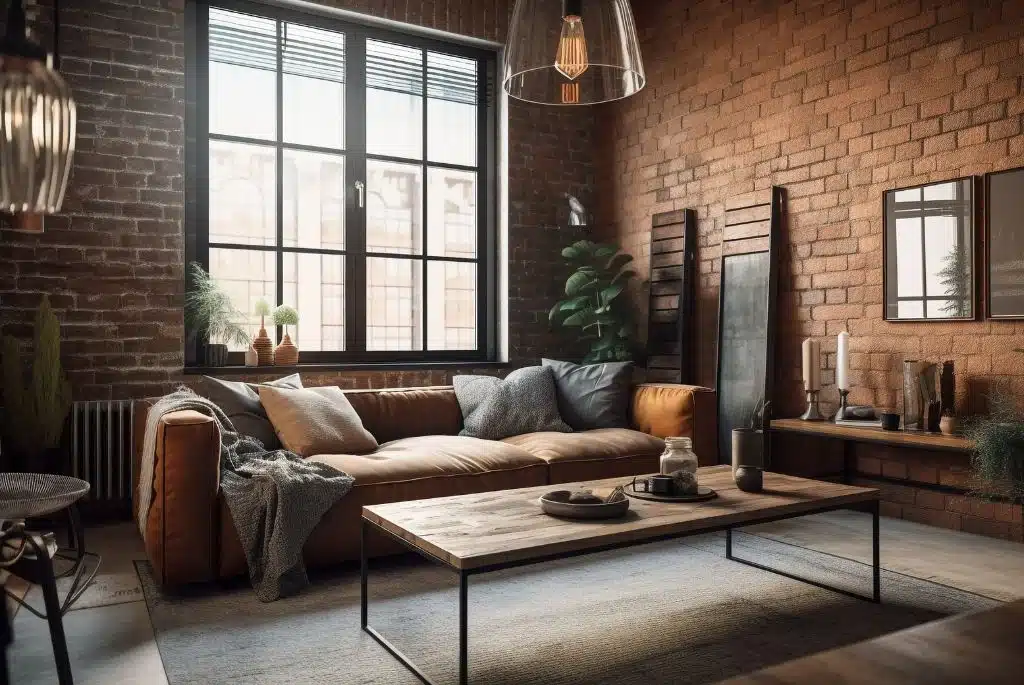
Industrial interiors start with what is already there. Brick walls, concrete floors, exposed beams. Compared to softer types of home decor styles, industrial design leaves structure visible.
Comfort comes from contrast. Upholstered seating softens metal and stone. Warm lighting offsets hard surfaces. Without these elements, industrial spaces feel unfinished. With them, they feel confident and direct.
Mid-Century Modern: Familiar Without Feeling Old
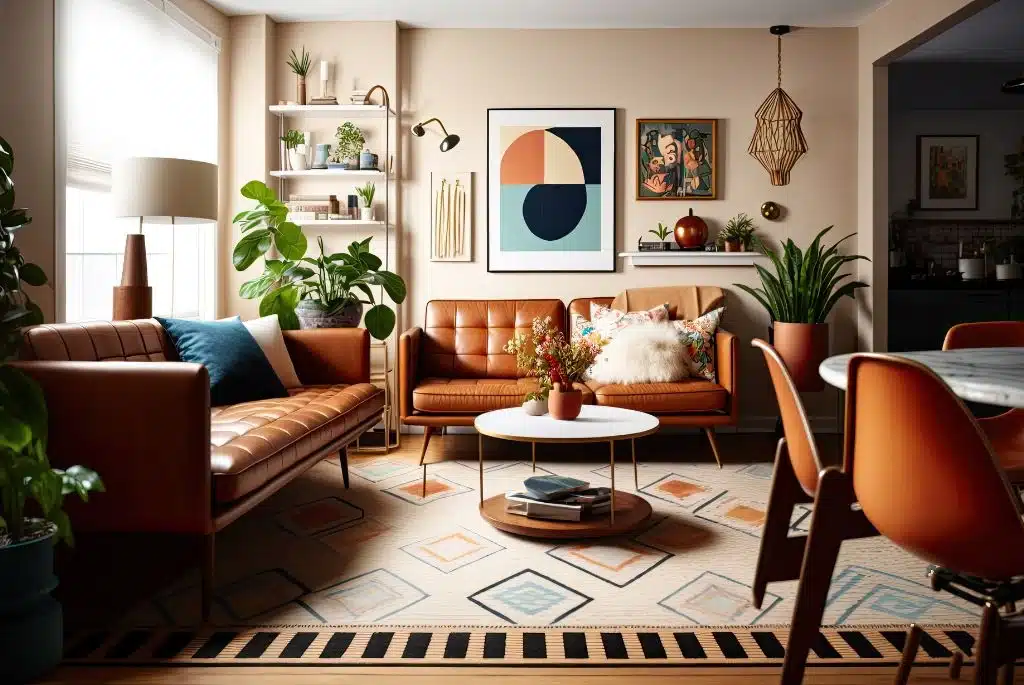
Mid-century modern interiors have a way of feeling known, even in homes you have never visited. Clean lines meet gentle curves. Wood tones warm the room. Colour appears sparingly.
Few types of home decor styles have stayed this consistent. The reason is balance. Furniture feels functional but not plain. Rooms feel ordered but not strict. This style adapts easily to open layouts, where pieces anchor space without overwhelming it.
Traditional: Comfort Built on Structure
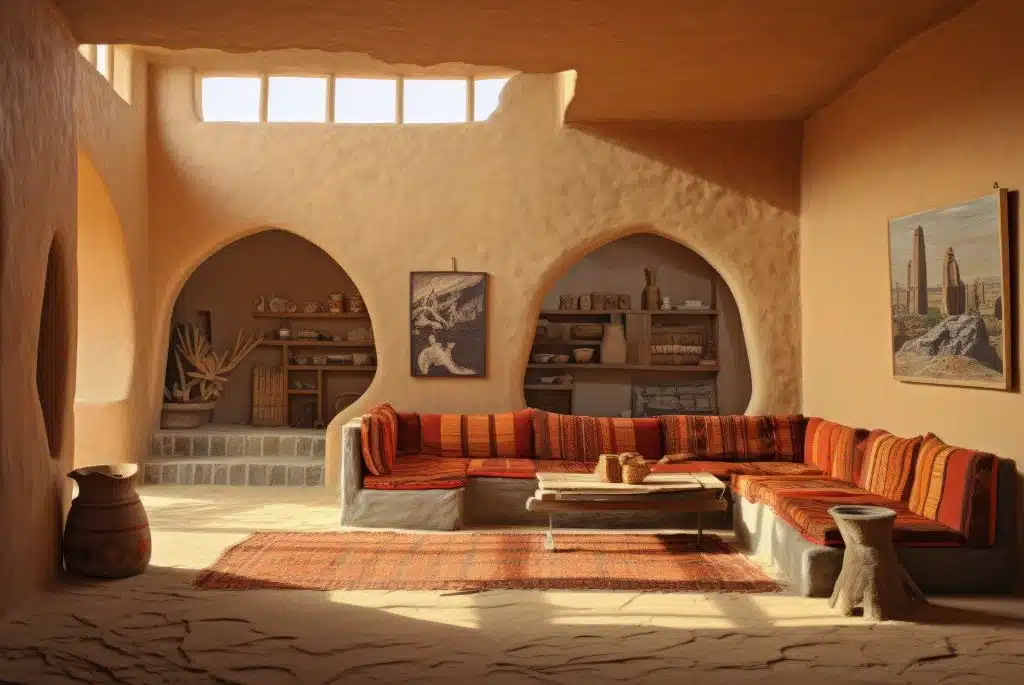
Traditional interiors rely on familiarity. Symmetry matters. Furniture feels solid. Fabrics layer pattern and texture. Among types of home decor styles, traditional design leans toward reassurance.
Over time, the style has softened. Lighter colours replace heavy palettes. Layouts become more relaxed. The result feels welcoming rather than formal, allowing tradition to coexist with modern habits.
Transitional: Quietly in Between
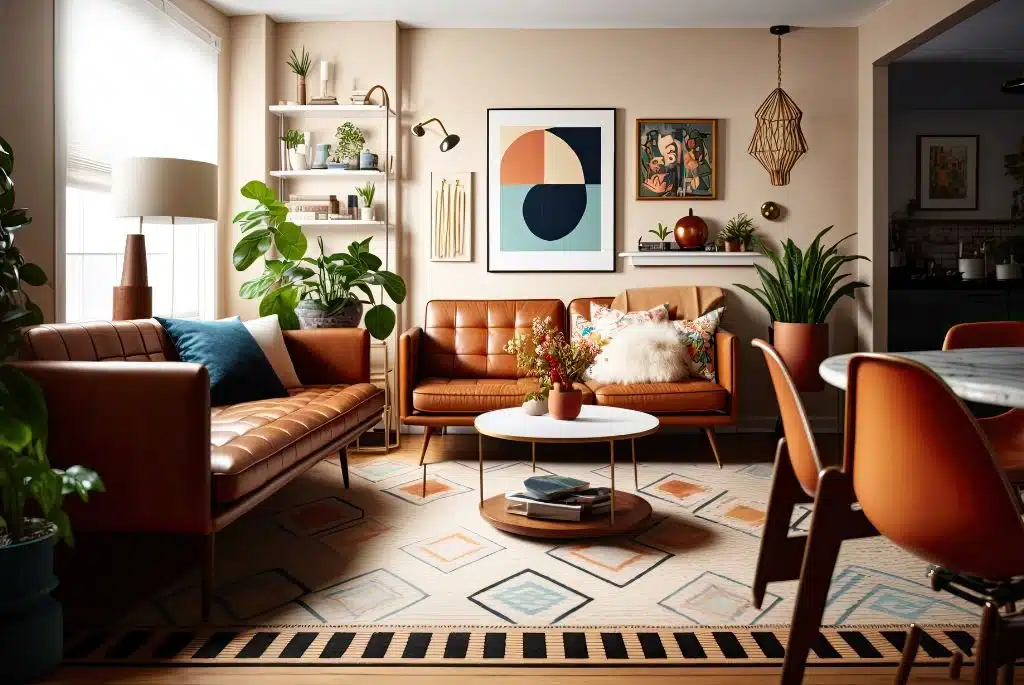
Transitional interiors sit between classic and current types of home decor styles. Traditional shapes appear in neutral tones. Decoration is reduced.
This approach works well for people who like structure but want ease. Transitional homes age gracefully, shifting slowly rather than needing constant updates.
Bohemian: Homes That Collect Stories
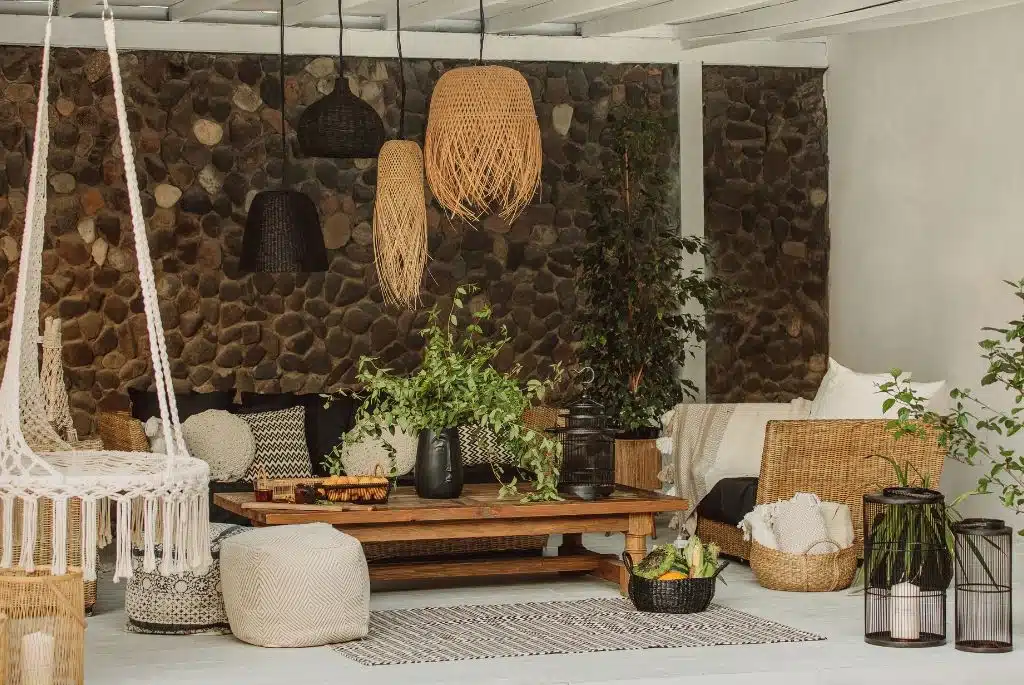
Bohemian interiors rarely look finished, and that is intentional. Pattern, texture, and colour layer naturally. Compared with more controlled types of home decor styles, bohemian spaces feel personal.
Furniture comes from different places and periods. Objects carry meaning rather than matching. A neutral base usually keeps the room grounded, allowing layers to build without feeling crowded.
What Helps Bohemian Rooms Hold Together
- A calm backdrop that supports colour and texture
- Pieces added gradually rather than all at once
Rustic: Comfort Rooted in Materials
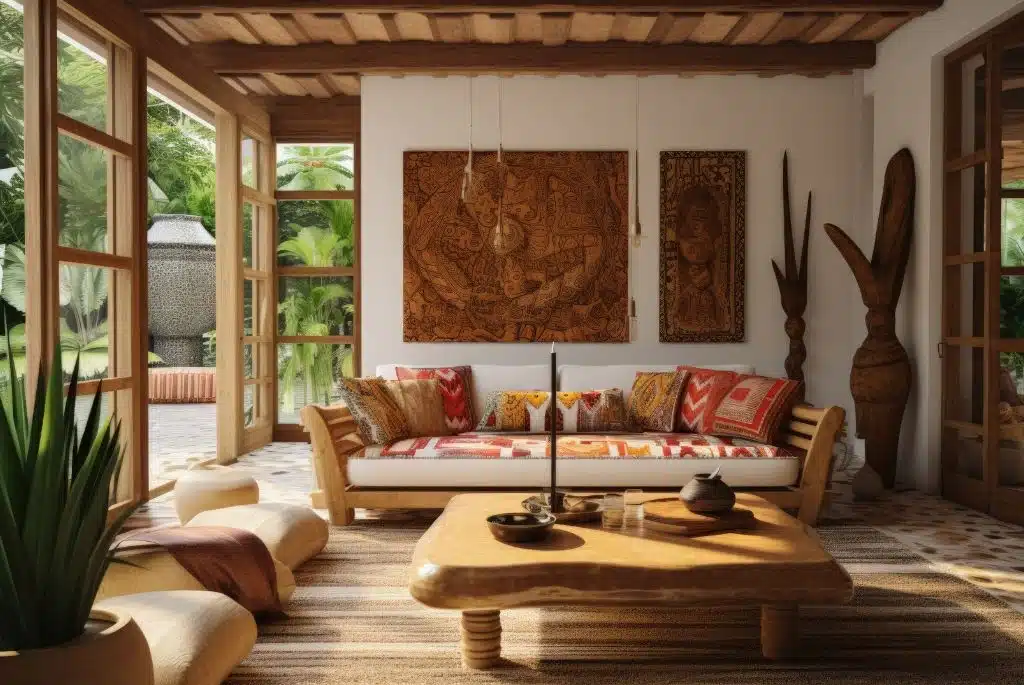
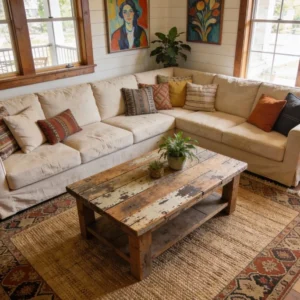
Rustic interiors lean into material honesty. Wood, stone, and handcrafted furniture define the mood. Among types of home decor styles, rustic homes feel grounded and tactile.
Imperfection is part of the charm. Modern rustic spaces simplify layouts while keeping materials close to their natural state. Comfort and durability matter more than polish.
Elements That Shape Rustic Interiors
- Surfaces that show grain, texture, and age
- Furniture chosen for long-term use
Eclectic: Balance Without Uniformity
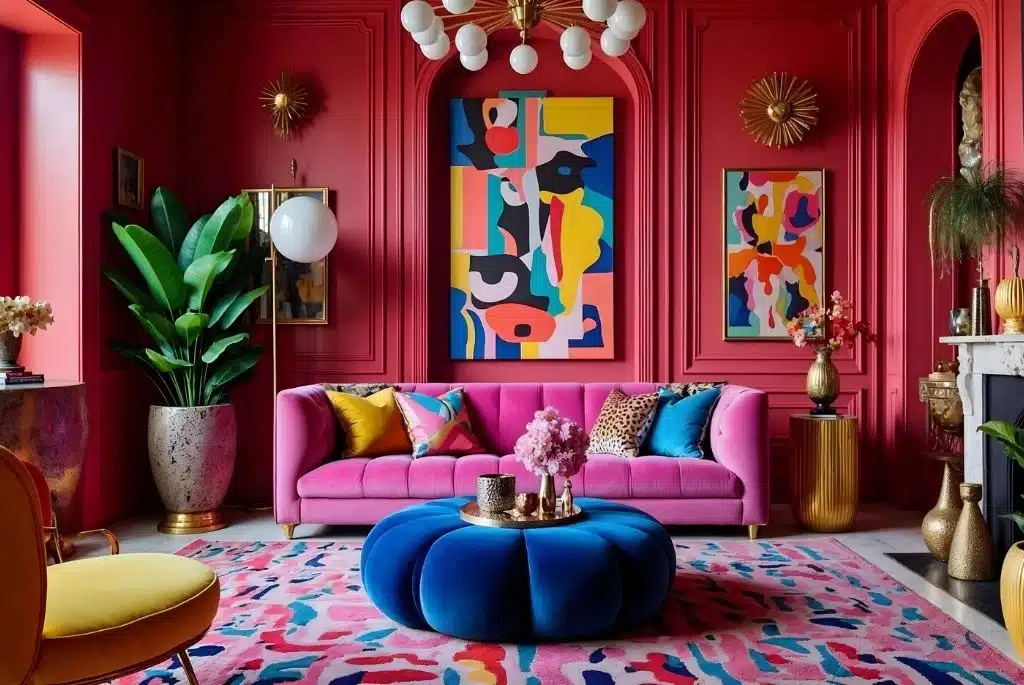
Eclectic interiors draw from several types of home decor styles at once. The challenge is restraint. Without it, rooms feel scattered. With it, they feel layered and expressive.
Colour or proportion usually provides structure. Contrast becomes intentional rather than accidental. These homes feel lived in, not arranged.
Choosing What Actually Works
Design today values variety over rules. When people compare types of home decor styles, they are usually searching for comfort, not labels. Seeing different home interior styles side by side helps clarify instinct without forcing commitment. Most homes blend ideas naturally, shaped by routine, memory, and use.
Home furnishing styles often reveal how a space is meant to function. A relaxed sofa arrangement invites conversation. A structured layout suggests hosting. These signals matter more than definitions. The most compelling homes feel lived in, flexible, and honest. In the end, types of home decor styles work best as reference points, not instructions, guiding choices while leaving room for real life to take over.
FAQs
Decorative design includes styles such as modern, contemporary, minimalist, Scandinavian, traditional, industrial, bohemian, rustic, and eclectic. Each one uses space, materials, and color differently to shape the mood of a home.
The seven elements are space, line, form, light, color, texture, and pattern. Together, they guide how a room looks, feels, and functions.
There is no fixed number. Most homes draw from a few well-known styles, often mixing them to suit personal taste and everyday living.