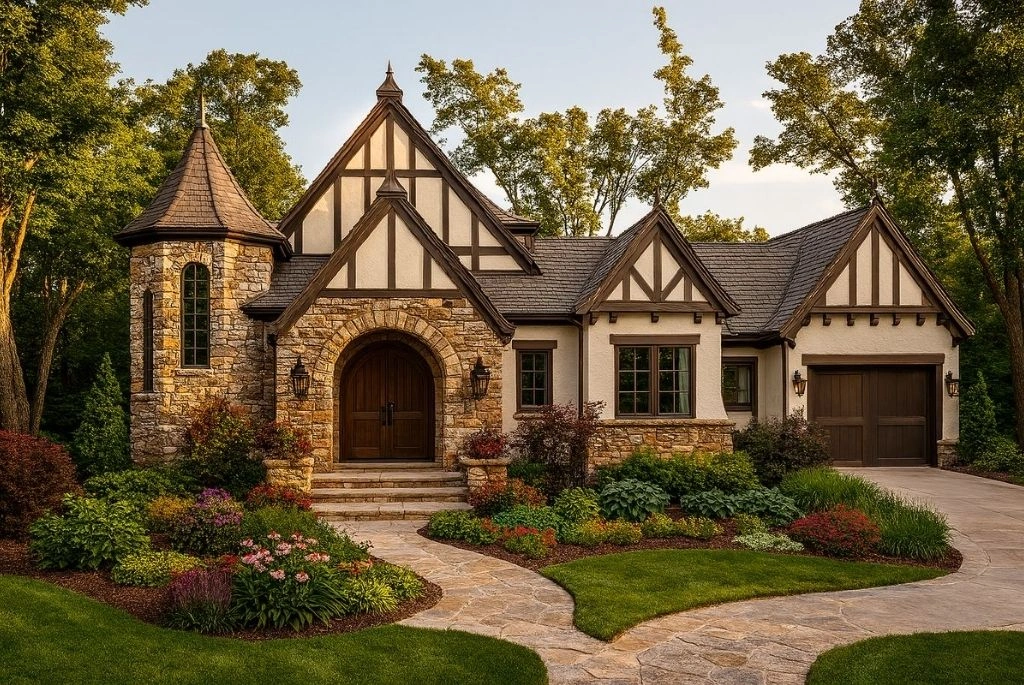
You usually notice a Tudor house before you realise why. It does not shout for attention, but it holds it. The roofline is steep and a little dramatic. Timber lines break up pale walls. Windows seem thoughtfully placed, not lined up for effect. There is a sense that the house knows what it is doing. It feels settled.
That reaction explains why Tudor Architecture continues to feel relevant, even after centuries of changing taste. It offers something many homes no longer try to provide: a feeling of permanence. While newer houses often chase openness and light, Tudor Architecture leans into shelter and structure. It suggests that a home is not just a backdrop for life, but an active participant in it.
This is not a style that works only on paper. It makes sense when you think about how people move through rooms, how evenings unfold, how seasons change. It feels less designed and more inhabited.
Where the Word Comes From and Why That Matters
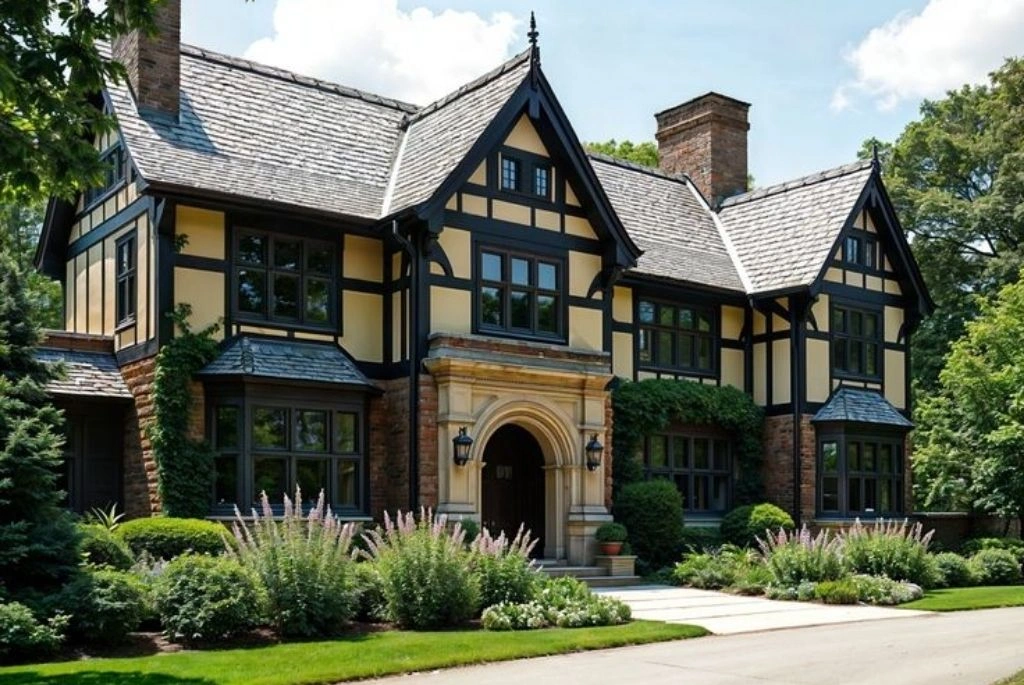
The name Tudor Architecture comes from the House of Tudor, the English royal dynasty that ruled from 1485 to 1603. The period begins with Henry VII and ends with Elizabeth I, marking a quiet but meaningful shift in how houses were built and used.
During this time, homes stopped being primarily defensive. Thick walls and small openings still mattered, but comfort and privacy began to matter more. Families wanted rooms that served different purposes. Fireplaces replaced shared hearths. Windows became more deliberate. These changes were driven by daily life, not appearance.
At the time, no one spoke of a “Tudor style.” Builders used what was available. Timber was common, so it remained visible. Brick became more popular as techniques improved. Roofs were steep because England is wet. What we now call Tudor Architecture is really a collection of practical decisions that later took on a shared visual identity.
That origin matters. It explains why Tudor Architecture still feels believable. It was never designed to impress. It was designed to work.
Reading the Exterior
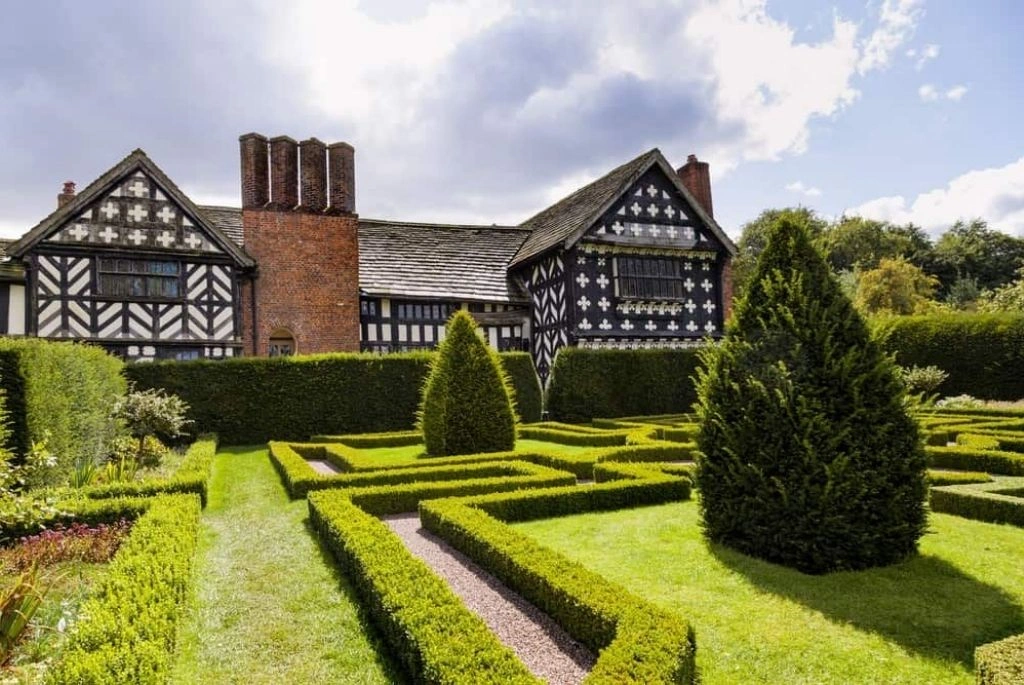
One of the first things people notice about Tudor Architecture is its lack of interest in perfect symmetry. Roofs intersect at different angles. Gables appear unexpectedly. Windows vary in size and placement. The house feels composed, but not controlled.
This irregularity gives these homes their character. They often look as if they were built over time, with additions made as needs changed. That sense of growth makes a tudor home feel lived-in before anyone moves in.
Exterior Details That Tend to Stand Out
- Steeply pitched roofs that dominate the silhouette
- Exposed timber framing set against brick or pale walls
These features are reminders of how Tudor Architecture developed from structure first, style second.
Materials That Feel Honest Under Your Hand
Materials carry much of the emotional weight in Tudor Architecture. Timber, brick, and stone are not treated as background elements. They are allowed to show age, texture, and imperfection.
Run your hand along a timber beam and you feel grain, not polish. Brick walls show mortar lines. Stone feels uneven. This honesty gives Tudor Architecture its sense of durability. Even newer homes built in this tradition often avoid overly smooth finishes, choosing materials that age rather than stay pristine.
In a world where many houses are designed to photograph well but live poorly, this approach feels grounded and sincere.
Inside the House, Life Slows Slightly

Step inside a house shaped by Tudor Architecture and the change is immediate. Rooms are defined. Ceilings are lower than expected. Walls create separation rather than flow.
Fireplaces often anchor living spaces. Beams cross ceilings, sometimes structural, sometimes symbolic. Windows frame views instead of opening entire walls. These rooms do not encourage constant movement. They invite you to sit.
This is where the style quietly excels. It creates interiors that support lingering, reading, talking, and staying.
Also Read: The Beauty of a Simple Barndominium: Affordable Living with Endless Style
Why These Homes Feel Emotional
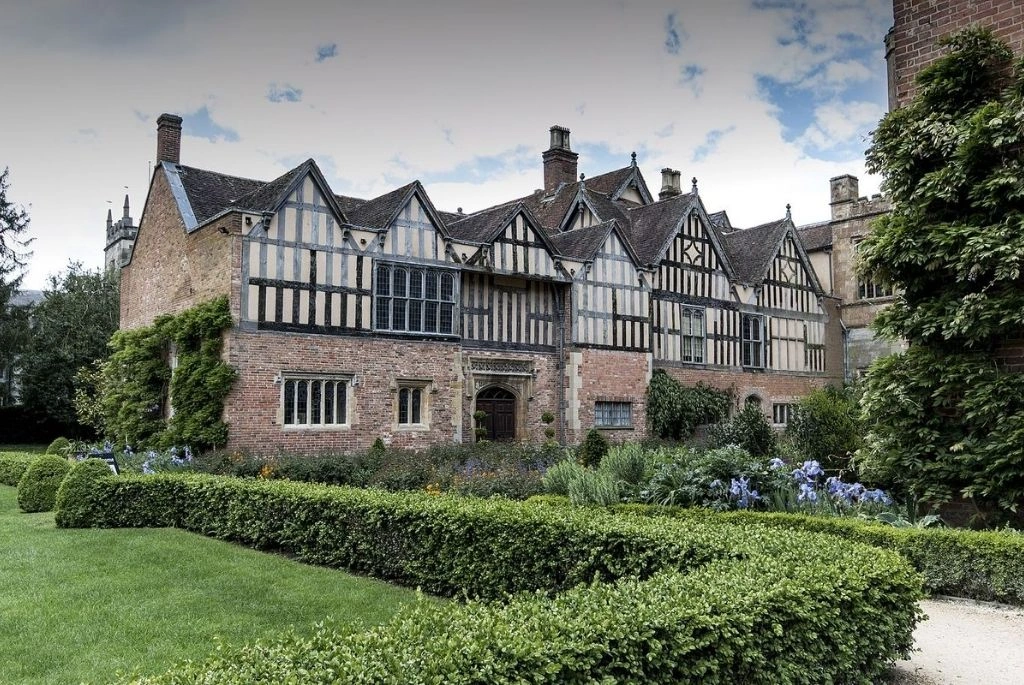
There is a reason this approach often feels emotional rather than simply attractive. These houses suggest continuity. They feel as though they have witnessed lives unfolding.
A tudor home implies evenings spent in the same room night after night. Meals taken at the same table. Fires lit when the weather turns. That repetition creates rhythm, and rhythm creates comfort. This emotional pull explains why the style continues to resonate with people who want homes that feel supportive rather than performative.
The Tudor Home in Modern Life
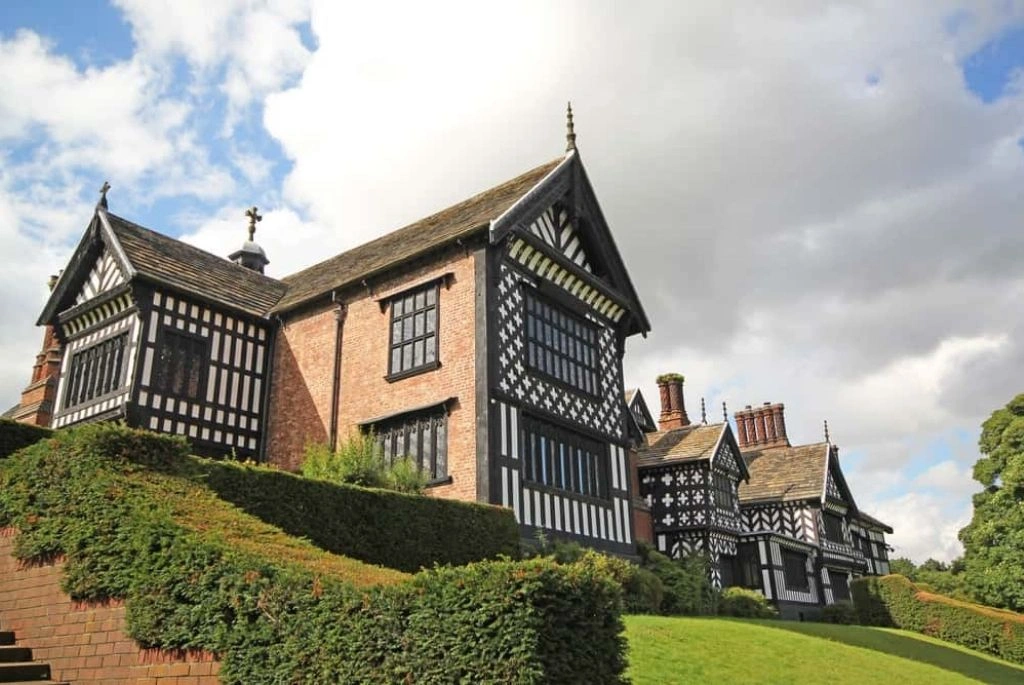
Despite its historical roots, the style has never stopped evolving. Over the years, it has been reinterpreted to suit changing lifestyles. This is where the idea of a modern tudor style house becomes relevant.
In these homes, familiar exterior elements remain. Steep roofs. Strong forms. Visible structure. Inside, however, things loosen slightly. Kitchens open up. Light travels further. Storage becomes smarter. A modern tudor style house respects the past without being trapped by it.
Ways the Style Is Updated Thoughtfully
- Cleaner timber detailing that feels deliberate rather than ornate
- Interiors that welcome more daylight while keeping rooms distinct
Gardens and the Importance of Setting
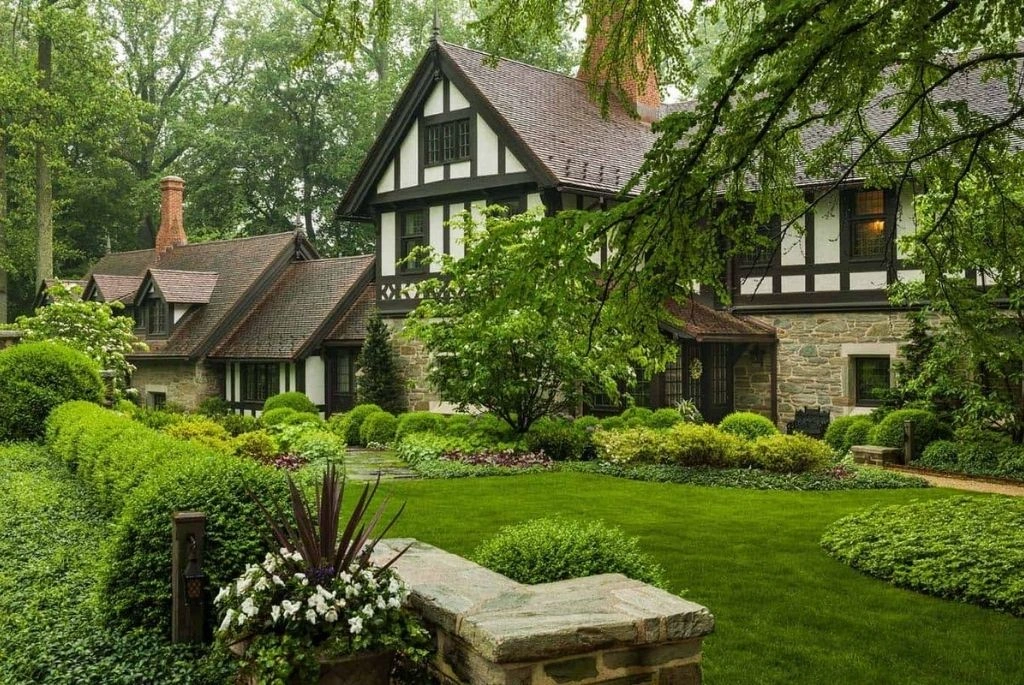
This kind of house responds strongly to its surroundings. It looks most natural when the landscape feels slightly untamed. Hedges, stone paths, and mature trees tend to work better than manicured lawns.
A tudor home rarely feels right standing alone on an empty plot. It wants context, growth, and time. The relationship between house and garden reinforces the grounded quality that draws people in.
Living With Defined Spaces
Daily life inside these homes is shaped by boundaries. Rooms have clear purposes. Dining rooms are for eating. Living rooms are for sitting and talking. There is less pressure for spaces to do everything at once.
For families, this structure creates rhythm. For individuals, it offers retreat. Many people who choose this style appreciate that clarity. The house quietly tells you how to use it.
What Tudor Style Means Today
When people talk about tudor style today, they are rarely chasing historical accuracy. They are responding to mood. A tudor home feels solid. Dependable. It feels like a place where time moves differently.
This is why the style continues to appear in new builds, renovations, and reinterpretations. It offers an alternative to lightness and transparency. It offers weight and depth.
Why It Refuses to Fade
Styles come and go, but this approach to building remains familiar. It reflects long-held ideas about home as shelter rather than stage.
Choosing it today is not about recreating the past. It is about choosing a way of living. Whether experienced as a traditional tudor home or expressed through a modern tudor style house, the appeal is the same.
Structure is visible. Materials feel honest. Rooms are shaped with intention. That is why it continues to matter. It does not chase relevance. It waits for people who are ready to live with it.
FAQs
Tudor style architecture is a historic English architectural style that became popular during the Tudor period 1485-1603. It blends late medieval Gothic influences with early Renaissance ideas. Tudor buildings are known for steep rooflines, decorative timber details, prominent chimneys, and an overall “old English” cottage or manor look.
The Tudor arch, also called the four-centred arch, was developed and widely adopted by English builders during the late medieval period and became strongly associated with the Tudor era. It was not introduced by one individual architect; instead, it emerged through evolving English Gothic design and was commonly used in churches, palaces, and grand homes.
A house is considered Tudor when it follows key Tudor design traits such as steep gabled roofs, half-timber detailing on the exterior, tall and decorative chimneys, and narrow multi-pane windows. Many Tudor homes also feature brick or stone exteriors, arched entryways, and heavy wooden doors, giving the home its distinctive traditional English character.