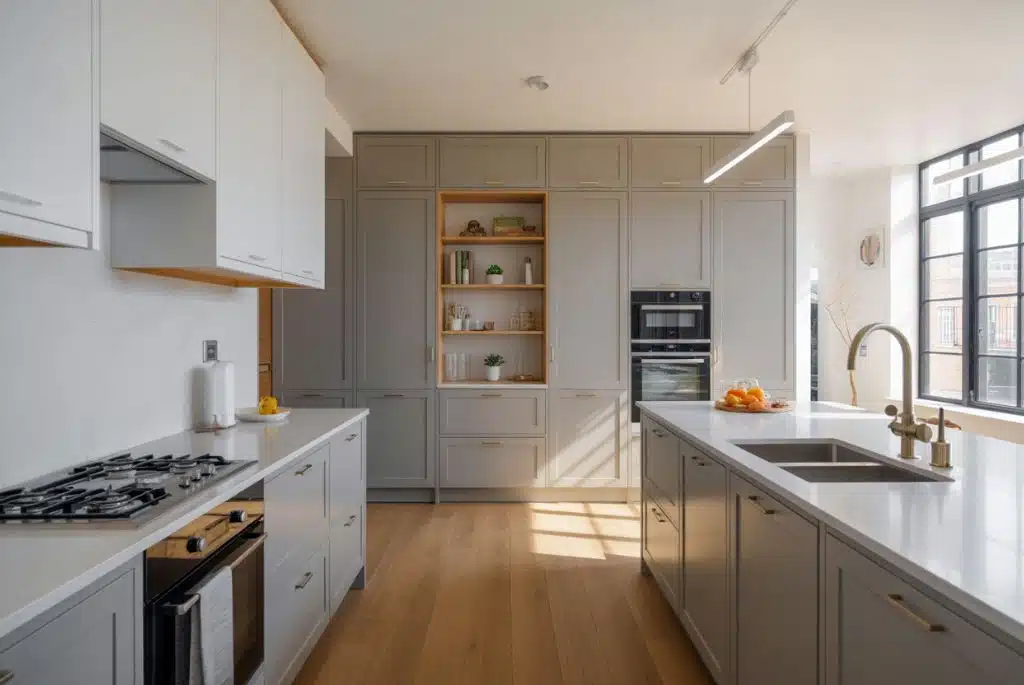
Kitchens do not need to look flashy to feel good. The best ones just feel balanced and comfortable. The cabinets fit the space well, the light flows naturally, and nothing looks forced. Often, this comes down to one simple choice made early in the design process: choosing grey kitchen cabinets.
Grey has become a familiar sight in modern kitchens, yet familiarity has not weakened its appeal. Instead, it has sharpened it. In homes where kitchens are no longer hidden rooms but shared spaces used throughout the day, cabinetry must support movement, conversation, and routine. Grey manages this without insisting on attention.
It offers presence without dominance. It adapts as furniture changes, as walls are repainted, as homes evolve. This is not about trend cycles. It is about longevity. The following sections explore how grey cabinets behave in real homes, what elevates them, and why they continue to appear in kitchens that age gracefully rather than quickly.
What Makes Grey Kitchen Cabinets So Dependable
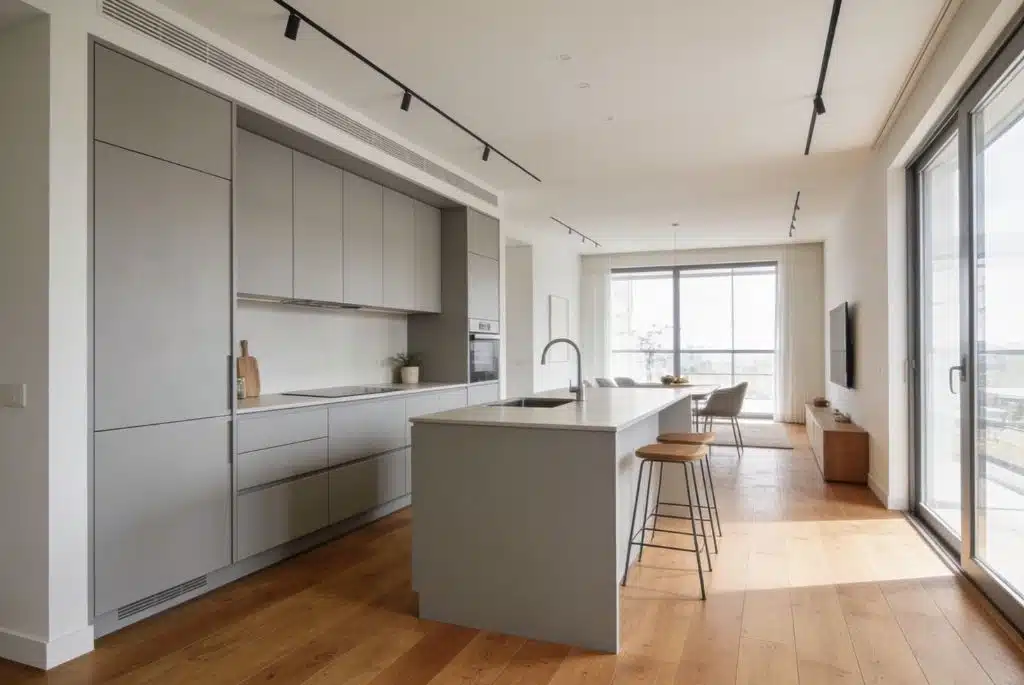
Grey works because it absorbs context. It responds to light, material, and layout instead of overpowering them. This quality makes it particularly effective in open-plan homes where kitchens are visually connected to living and dining areas.
Designers rely on grey when continuity matters. It provides a visual pause between bold elements and allows texture and form to do the talking. Where strong colors can feel demanding, grey feels cooperative.
There is also an emotional aspect. Grey creates calm. In a room that often carries noise and movement, that calm becomes noticeable over time.
Grey Is Not One Color
Light Grey Cabinets
Light grey cabinets tend to disappear into the background in the best possible way. They soften a space rather than defining it.
They are often used in:
- Smaller kitchens that need visual openness
- Apartments with limited daylight
- Homes where white feels too sharp
Light grey keeps things relaxed while remaining practical for daily use.
Medium Grey Cabinets
Medium grey feels grounded. It carries enough depth to define the cabinetry without pulling focus away from the room as a whole.
This shade suits kitchens that are:
- Used heavily by families
- Designed to feel lived-in rather than pristine
- Balanced between modern and traditional influences
Medium grey rarely feels dated, which explains its popularity in long-term renovations.
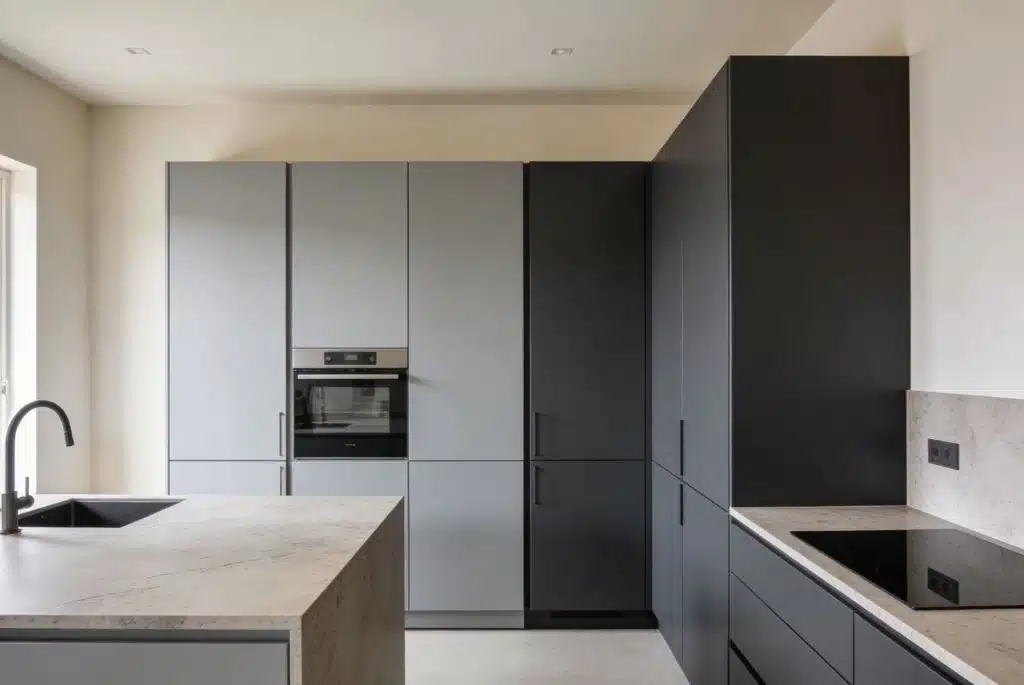
Dark Grey Cabinets
Dark grey introduces weight and structure. It works best when it is not everywhere.
Successful uses include:
- Kitchen islands
- Lower cabinets
- Feature walls of cabinetry
Dark grey needs light to work properly. Without it, the color loses nuance and becomes flat.
Grey And White Cabinets Kitchen Designs That Feel Natural
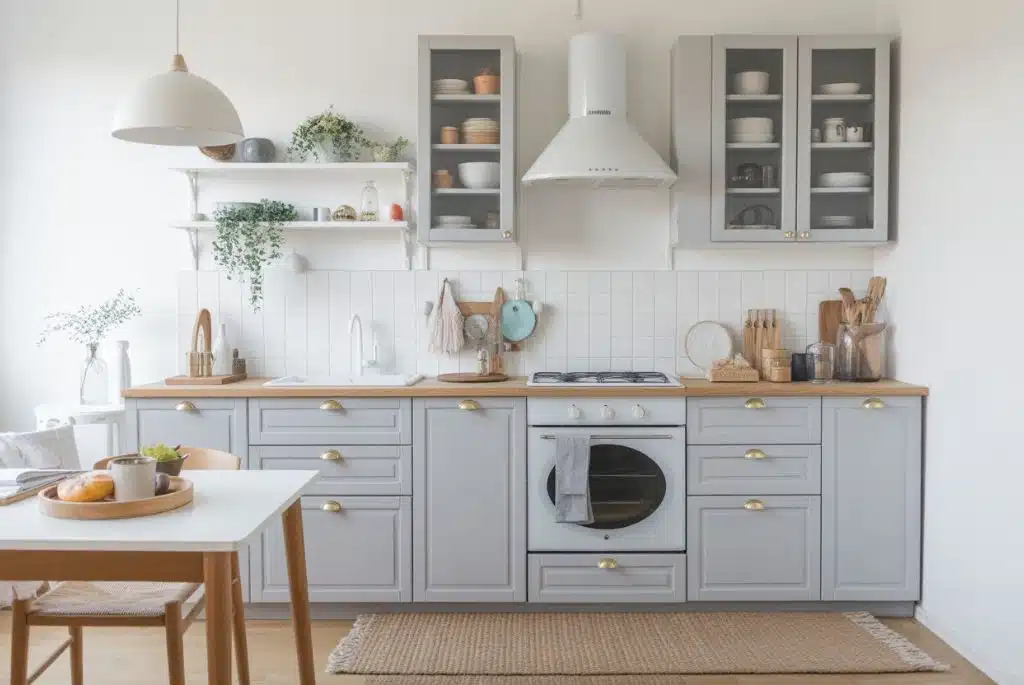
A grey and white cabinets kitchen succeeds when contrast feels intentional rather than decorative. White keeps the space open. Grey adds definition.
Layouts that tend to work well include:
- White upper cabinets with grey base cabinets
- Grey islands surrounded by white cabinetry
- Soft grey cabinets paired with white walls
In a well-composed grey and white cabinet kitchen, finishes do more work than color alone. Matte surfaces create softness. Slight warmth in the white prevents the space from feeling stark.
Materials Matter More Than Shade
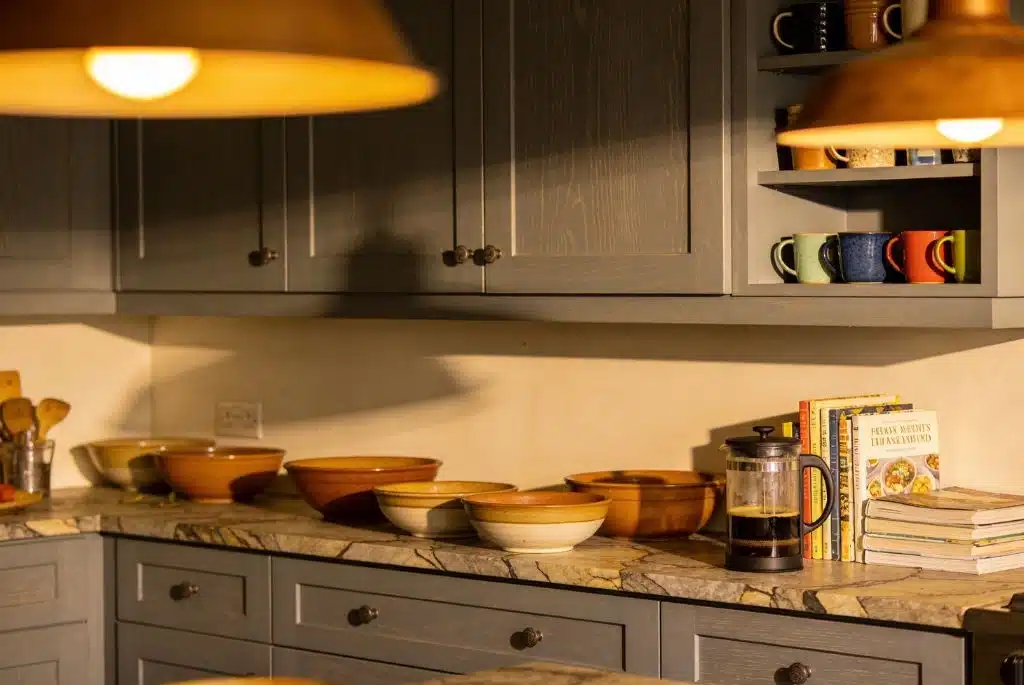
Painted Wood Cabinets
Painted wood gives grey depth. Subtle grain beneath the surface keeps the color from appearing flat.
This is where grey painted kitchen cabinets perform best. They feel substantial and deliberate, not decorative.
Smooth And Lacquered Finishes
These finishes lean modern and suit kitchens with clean lines and minimal detailing. They reflect light differently and require precise lighting to avoid glare.
Engineered Cabinet Materials
Engineered finishes bring consistency and durability. While they may lack the tactile quality of painted wood, they suit busy homes where maintenance matters.
Hardware plays a quiet but critical role:
- Brass softens cooler greys
- Black introduces contrast
- Stainless steel stays neutral
Poor hardware choices often undermine otherwise good cabinetry.
Countertops That Sit Comfortably With Grey
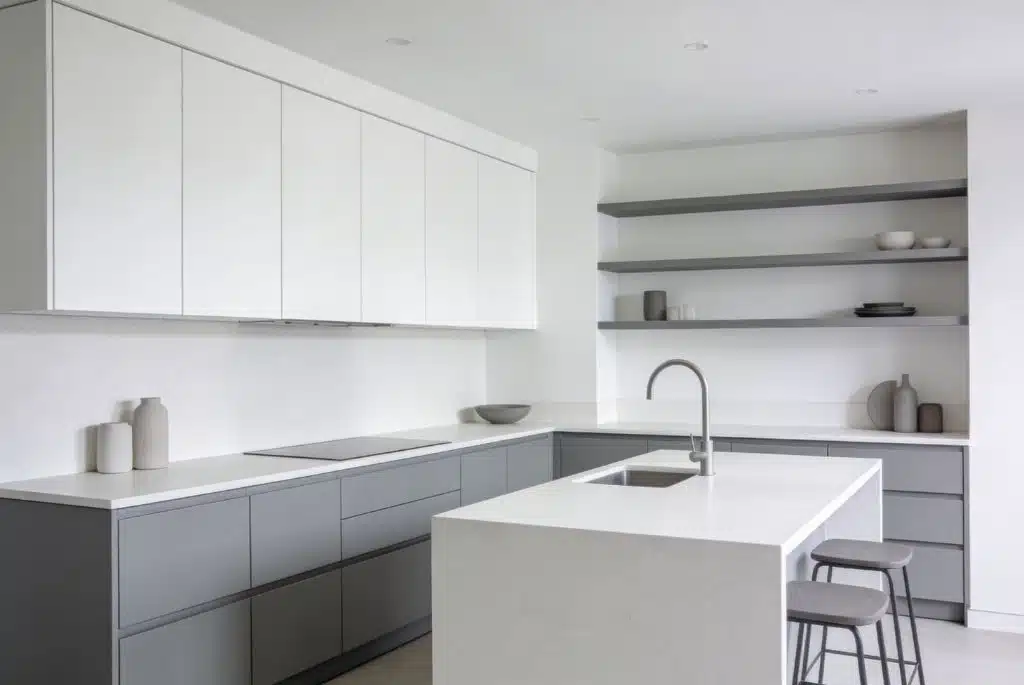
Grey cabinets depend on contrast to feel alive. Countertops provide that contrast.
Pairings that tend to work reliably include:
- Light stone surfaces with medium greys
- Warm wood with darker greys
- Clean white quartz for everyday kitchens
Grey-on-grey combinations only succeed when tones and textures clearly differ. Otherwise, the space loses clarity.
Also read: Boho Bedroom: A World of Comfort, Craft, and Free-Spirited Calm
Lighting Changes Everything
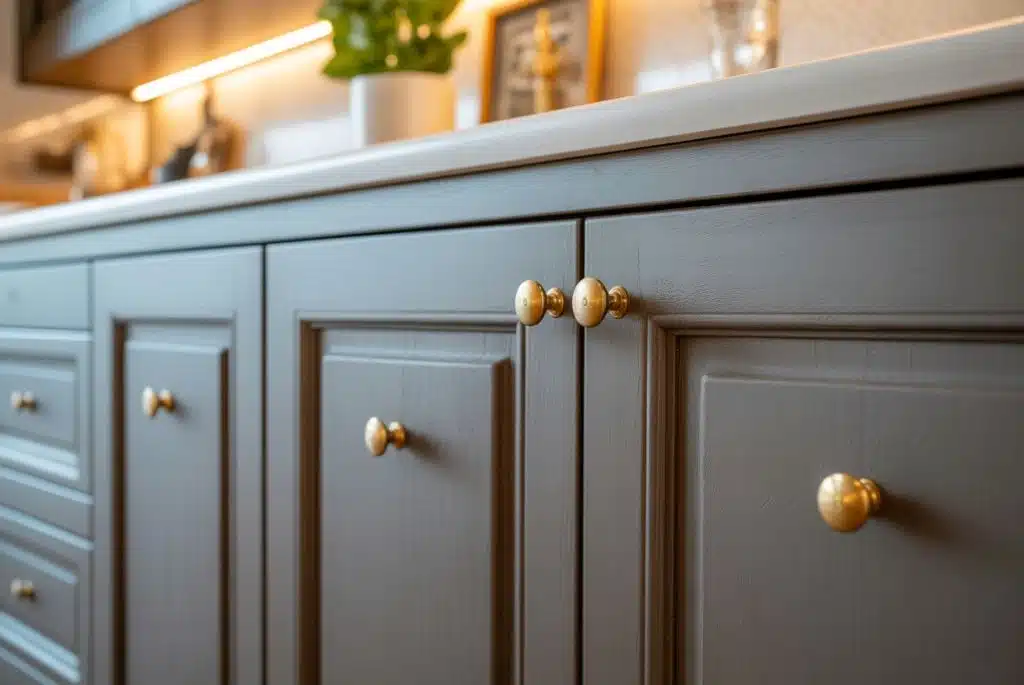
Grey responds immediately to lighting conditions. Morning light, artificial light, and evening shadows all shift how it reads.
Effective kitchens rely on layers:
- General lighting for visibility
- Task lighting for work areas
- Soft lighting to add depth
Natural light deserves protection. Heavy window coverings often flatten grey cabinetry, while lighter treatments allow it to breathe.
Grey Kitchen Cabinets In Smaller Spaces
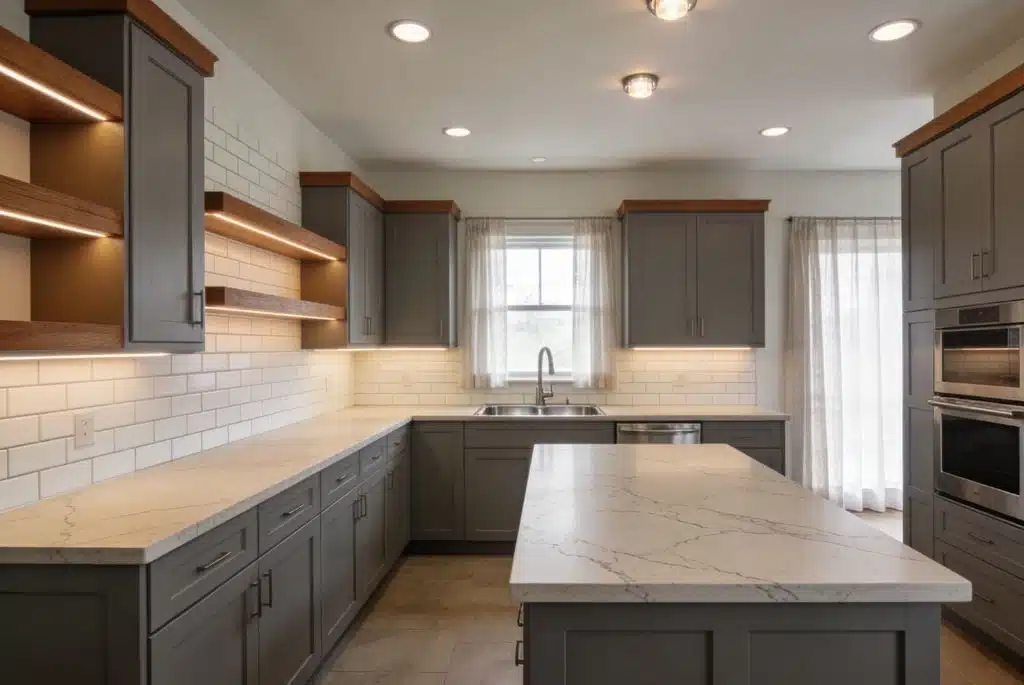
In compact kitchens, grey works best when simplicity leads the design. Light greys expand the space visually. Clean cabinet lines reduce distraction.
Helpful approaches include:
- Minimal hardware
- Integrated appliances
- Reflective or light backsplashes
Dark grey can still work in small kitchens, but only when contrast is clear and lighting is deliberate.
Grey In Larger Kitchens
Large kitchens benefit from grey because it introduces order. Without it, large spaces can feel visually scattered.
Design choices that work well include:
- Dark grey islands anchoring the room
- Lighter grey perimeter cabinets
- Texture used instead of additional color
Grey allows scale without excess.
Where Grey Kitchens Go Wrong
Most grey kitchens that feel disappointing suffer from small missteps.
Common problems include:
- Ignoring undertones when choosing floors or walls
- Too much grey without relief
- Flat lighting that removes depth
Grey does not forgive indifference. It rewards attention.
Living With Grey Cabinets Over Time
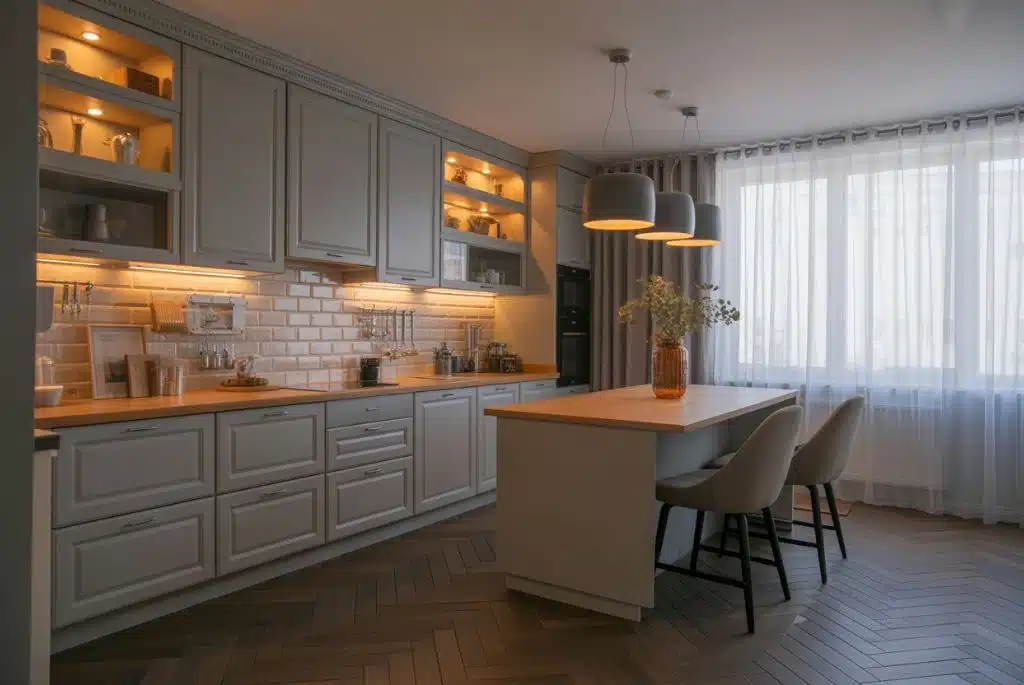
Grey cabinets are practical. They hide everyday marks better than white and feel softer than black. Matte finishes, in particular, handle regular use well.
Simple habits keep them looking consistent:
- Gentle cleaning
- Avoiding harsh chemicals
- Maintaining good ventilation
Quality finishing matters more than color choice alone.
Styles That Accept Grey Easily
Grey fits comfortably into many design languages:
- Modern kitchens with clean surfaces
- Transitional kitchens with subtle detailing
- Industrial spaces with concrete and metal
- Traditional kitchens softened by stone and wood
Grey adapts without losing its character.
FAQ
No. Grey continues to adjust to changing interiors, which keeps it relevant rather than trend-dependent.
Yes. Greys with warm undertones paired with natural materials feel comfortable and balanced.
Kitchens that last are rarely built on bold gestures alone. They rely on choices that remain steady as life changes. Grey Kitchen Cabinets continue to work because they offer flexibility without uncertainty.
They respond to light, materials, and layout instead of fighting them. When chosen thoughtfully, grey cabinets support kitchens that feel settled, functional, and quietly assured long after trends have moved on.